
































Harish Rana Case: Supreme Court of India Allows Removal of Life Support in Landmark Passive Euthanasia Ruling

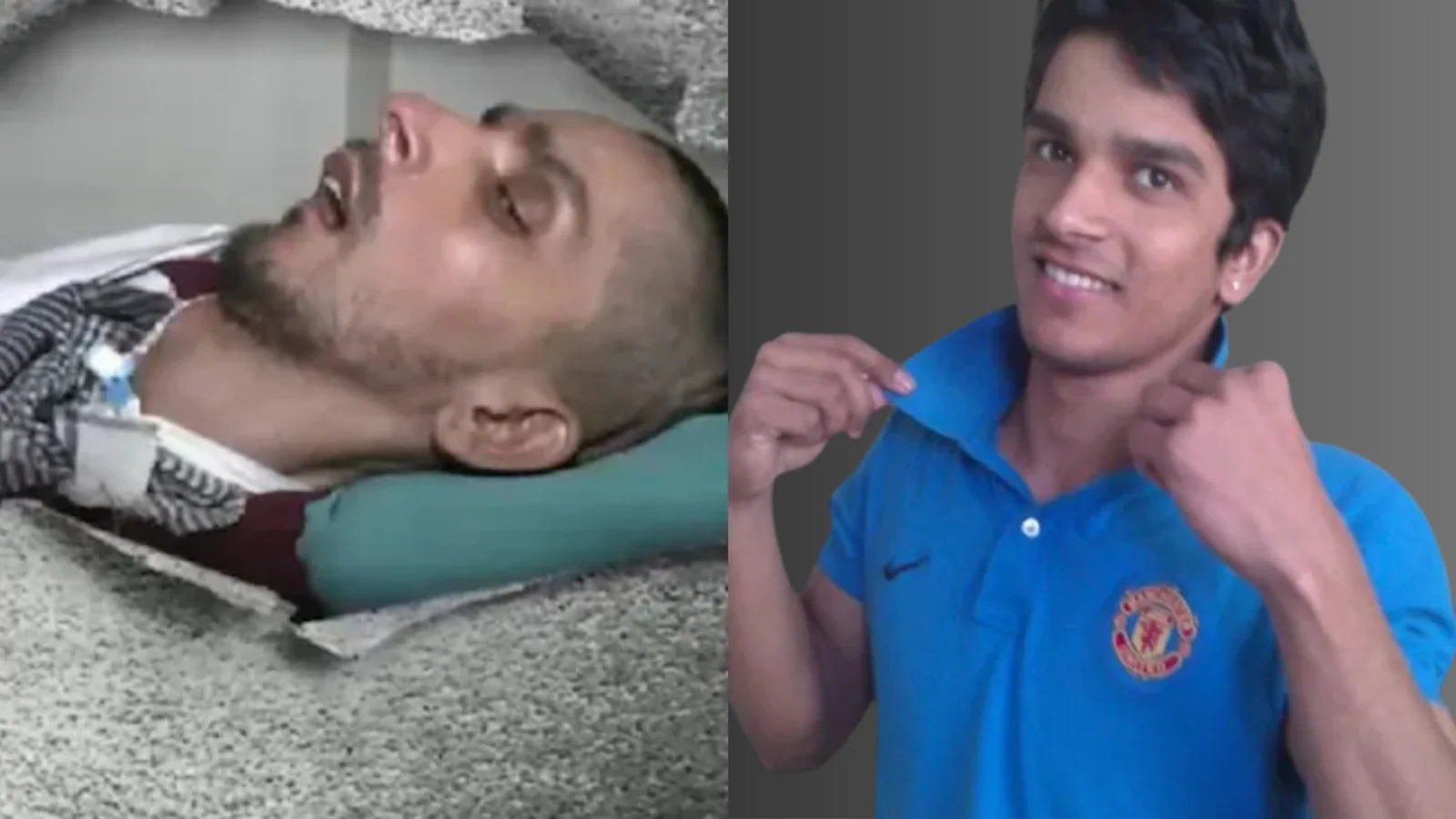
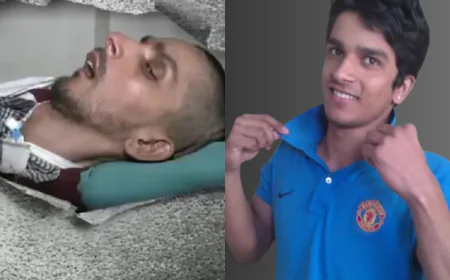
A landmark ruling by the Supreme Court of India has paved the way for the withdrawal of a thirty-one-year-old male patient’s life support. The patient had been in a vegetative state for over ten years. As of now, a court in India has allowed passive euthanasia on a patient who has no advance directive. The approved case is that of Harish Rana, who fell from a 4th-floor balcony and had significant brain injury bleeding after 2013 due to an accident. Since then, he has been in a comatose condition and requires mechanical means to stay alive. Despite medical treatment for several years, doctors concluded that Mr. Rana will not be able to recover in any degree of meaningfulness from his injuries.
In 2018, the Supreme Court of India ruled that passive euthanasia was lawful. Passive euthanasia permits the withdrawal or withholding of life support under the terms of a statutory scheme. An individual may not commit an act of active euthanasia because it is illegal in India. Parents of Rana have continuously gone to court looking for the ability to take their son off of life support over the past few years. The parents said that they have lost their entire savings caring for their son and they have concerns about who will care for him after they are gone.
On Wednesday, Ashok Rana, the father of Harish Rana welcomed the court decision stating that it was a “humanitarian decision.” He stated that they were grateful to the court for making this decision that had been very stressful for the family. “This will be a very hard thing for the family, but I feel it will be in the best interest of our son Harish with the request made by the family for the court to remove life support from Harish”, is what he stated on behalf of the family.
The Jury in this case has renewed the debate regarding what is ethical and what is legal concerning “passive euthanasia” in the Indian nation, especially in the cases of where a person has no living will. A living will is a document used in an individual who is over the age of eighteen and allows the individual to make decisions regarding the treatment of the individual in the event that he/she becomes terminally ill or unable to communicate their decisions.
According to reports provided to Bar and Bench, the Supreme Court of India found in its observation regarding Mr. Rana that he has been unresponsive to treatment for some time now. The judges remarked that although Mr. Rana can go through his sleep- and wakefullness, he displays no significant interpersonal interactions and continues to rely entirely upon others for all of his basic needs.